Module 2 - What Does Traditional Ecological Knowledge Look Like?
Section outline
-
Description:
In this module, you will explore examples of TEK in both historical and modern day as well as the promise of TEK to tackle some of our toughest environmental challenges. Finally, you will develop a set of guidelines which are based in honoring, acknowledging and caretaking TEK in your teaching.Objectives:
After completing this module, you should be able to:- Research, map and provide examples of TEK in different parts of the world, both historical and modern day.
- Identify some of the opportunities and challenges in using TEK to address environmental challenges.
- Develop your personal guidelines for integrating principles of TEK in your teaching which honor, acknowledge and care take TEK and Indigenous people.
Benchmark Assessment:
- Completion of Module 2 Course Journal entries
- View Scoring Guide
Estimated Time for Completion:
3 HoursModule 2 Tasks
-
Students mustMark as done
What Does Traditional Ecological Knowledge Look Like?
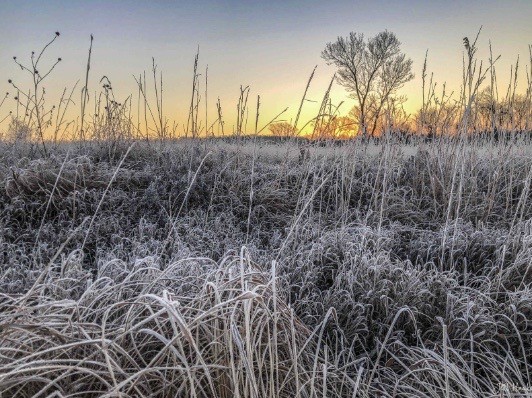

As you have noticed, Traditional Ecological Knowledge or Native Science is very much connected to place, so the knowledge is extremely diverse. TEK has connections to understanding season and seasonal changes, food, shelter, and practices which support system health and more. What does TEK look like? In this section you will explore some examples from different parts of the world of TEK both historically and current.
TASK 1: Explore this Google Map to see a few place-based examples of TEK, Indigenous Knowledge or Native Knowledge. As you explore these examples, note what stands out for you in terms of the knowledge, practice and/or current applications. Click on the icons to read more about these examples from the source of the information.
TASK 2: In your Course Journal:
Research other examples of TEK, both historical and current practices and pin your example on this map. The following guidance will help you to expand our map of TEK:
Conduct some research to find an example of TEK that is of interest to you. Be sure to capture the location of the Indigenous People who utilize this knowledge and the source of your information.
Go to this map then type in the location in this search bar and hit enter.
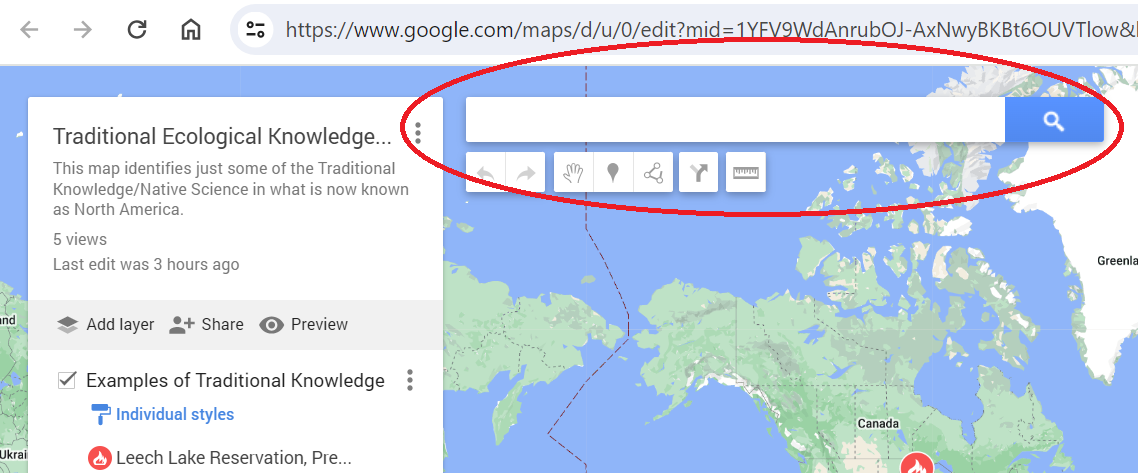
A pin will appear where you have searched. Click on the + Add to Map.

Once you have added your location to the map, click the pencil edit button.
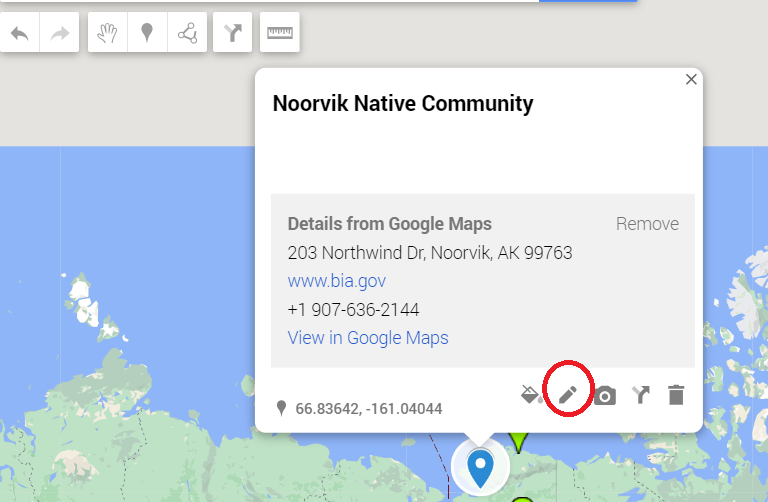
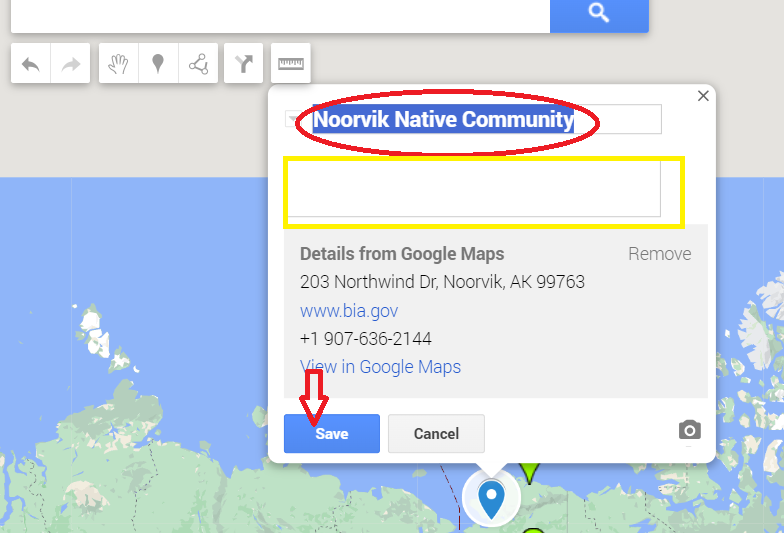
- You can now change the name of the pin to something more descriptive (red circle) and add additional information (brief description and source) in the yellow box, Then hit “Save”.
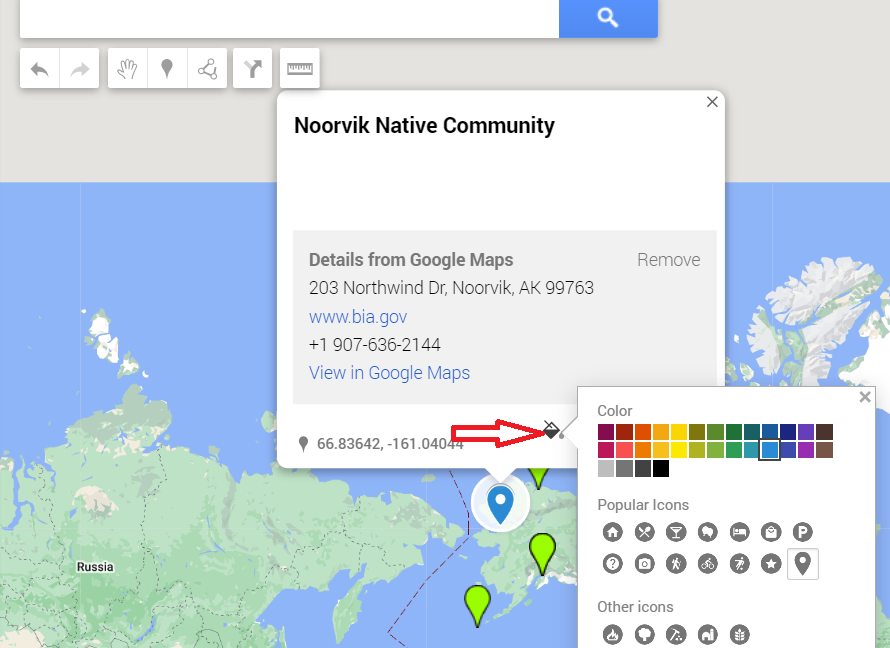
- If you like, you can change the look of the pin by selecting the fill icon. You can then change the color of the pin and/or add a special icon.
TASK 3: In your Course Journal, please provide reflections on the following:
What did you notice as you reviewed the pins on the map?
Why did you choose what you added to the map?
How might you use this information in your teaching?
-
Students mustMark as done
TEK Today
Traditional Knowledge is historical, adaptive, and in use today among Indigenous people and continues to be a part of traditions and customs (like acorn gathering or three sisters gardens). In addition, there is a broader recognition of the importance of traditional knowledge and science as a vital pathway forward. There is an increased collaboration between Indigenous peoples and Western Science tackling some of our most challenging environmental problems. This comes with some opportunities and some challenges. In this section, you will explore some examples of Indigenous people working with Western scientists, some learnings along the way, and applying those learnings to your teaching.
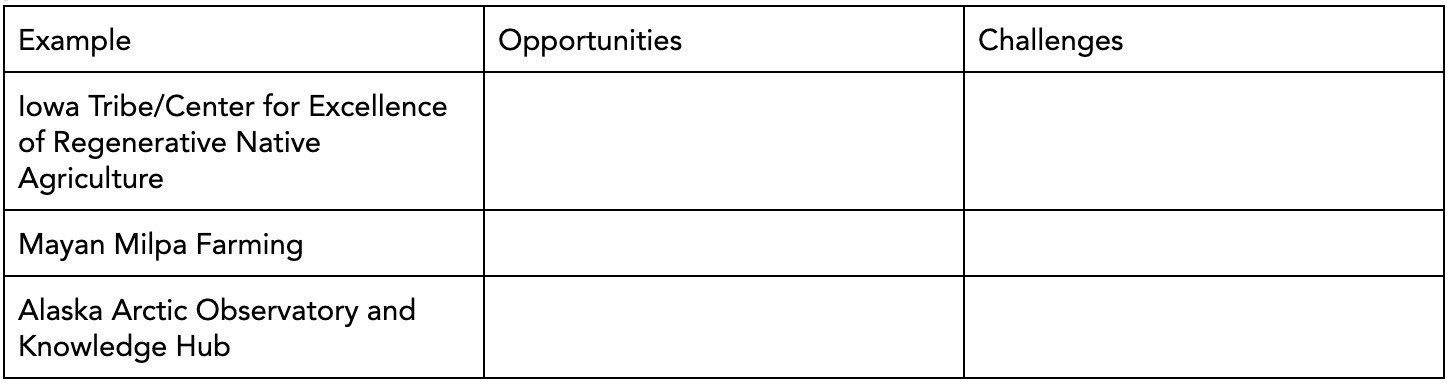
TASK 4: Explore these examples of TEK practices for sustainability which are happening in partnership with non-native partners. As you explore these examples, note in your Course Journal both the opportunities and the challenges/potential challenges that might come from these collaborations:
The Iowa Tribe of Kansas and Nebraska received federal funding through the USDA’s Partnerships for Climate Smart Commodities and has established a Center of Excellence for Regenerative Native Agriculture to provide education and support for using Native Regenerative Agriculture practices to both native and non-native farmers.
Explore this example from the Indigenous Mayan people whose use of Milpa farming has received global recognition. Collaborations between the Milpa farmers and local universities, NGOs, and governments are seeking to support and expand their efforts as a sustainable method for food production which also has significant positive impacts on forest conservation in the Yucatan and associated positive climate impacts.
Explore this story map from the Alaska Arctic Observatory and Knowledge Hub, a partnership between the University of Alaska and local observers from Indigenous Knowledge holders across northern Alaska coastal communities.
TASK 5: In your Course Journal, provide your reflections on both opportunities and challenges for each of the examples provided.
-
Students mustMark as done
TASK 6: As the recognition of the importance of TEK in addressing some of our greatest environmental challenges has grown, so too has the outreach to Indigenous people for accessing this knowledge. This has led to some significant challenges. The Indigenous people of Australia discuss some of these challenges in this video. As a result, Indigenous communities came together to develop the Our Knowledge, Our Way Guide to inform best practices in working with Indigenous people. Review the video and the guide as you think about how this could inform your teaching. Make notes in your Course Journal of your key learnings and ideas about how to connect those learnings to your teaching.
TASK 7: Review the article, “5 Things to Know About Indigenous Knowledge When Working With Indigenous Children, Youth, and Families” written by Heather Sauyaq Jean Gordon as a summation of TEK, and as you read, reflect on how this might apply to your teaching.
TASK 8: In your Course Journal, develop your guiding principles for teaching TEK. Potential topics to include:
What informs your guiding principles
Important acknowledgements
Key strategies for integrating TEK into your teaching
Opportunities and challenges for integrating TEK into your teaching.
-
Opened: Monday, 30 December 2024, 2:00 AMStudents mustMark as done
Submit Module 2 Course Journal:
Upload your COURSE JOURNAL with MODULE 2 Assignments completed. You may either upload it as a Word document or share a link to your Course Journal Google Document (Be sure that you set the Sharing Setting to “Anyone with the link” and the role of “Commenter”).
