Available courses

Welcome to Accessible by Nature: Designing EE to Support All Learners 

This course uses the Universal Design for Learning (UDL) framework to guide the design of learning environments that are accessible and challenging for all, rather than making modifications for individual students. UDL improves and optimizes teaching and learning for all people based on scientific insights into how humans learn, giving all students equal opportunity to succeed. This course is designed to encourage you to reflect deeply on your practice to focus on how you plan and teach to support all learners. The course content and associated assignments are geared towards practicing environmental and outdoor educators. We hope this course will inspire you to strengthen your pedagogical practices so they are more welcoming, inclusive, and accessible. 
This course content was designed by Michelle Silvers of Silver’s Lining PLLC, Estrella Risinger with the Association for Environmental and Outdoor Education (AEOE), Michelle Pearce and Lauren Pyle with the Environmental Educators of North Carolina (EENC), with contributions from Rebekah Jones and the Cooper Center for Environmental Learning.

This course is designed to introduce you to and provide a broad overview of NAAEE’s Guidelines for Excellence: Community Engagement. This set of guidelines focuses on community wellness and is designed to help environmental educators create inclusive environments that support effective partnerships and collaborations.


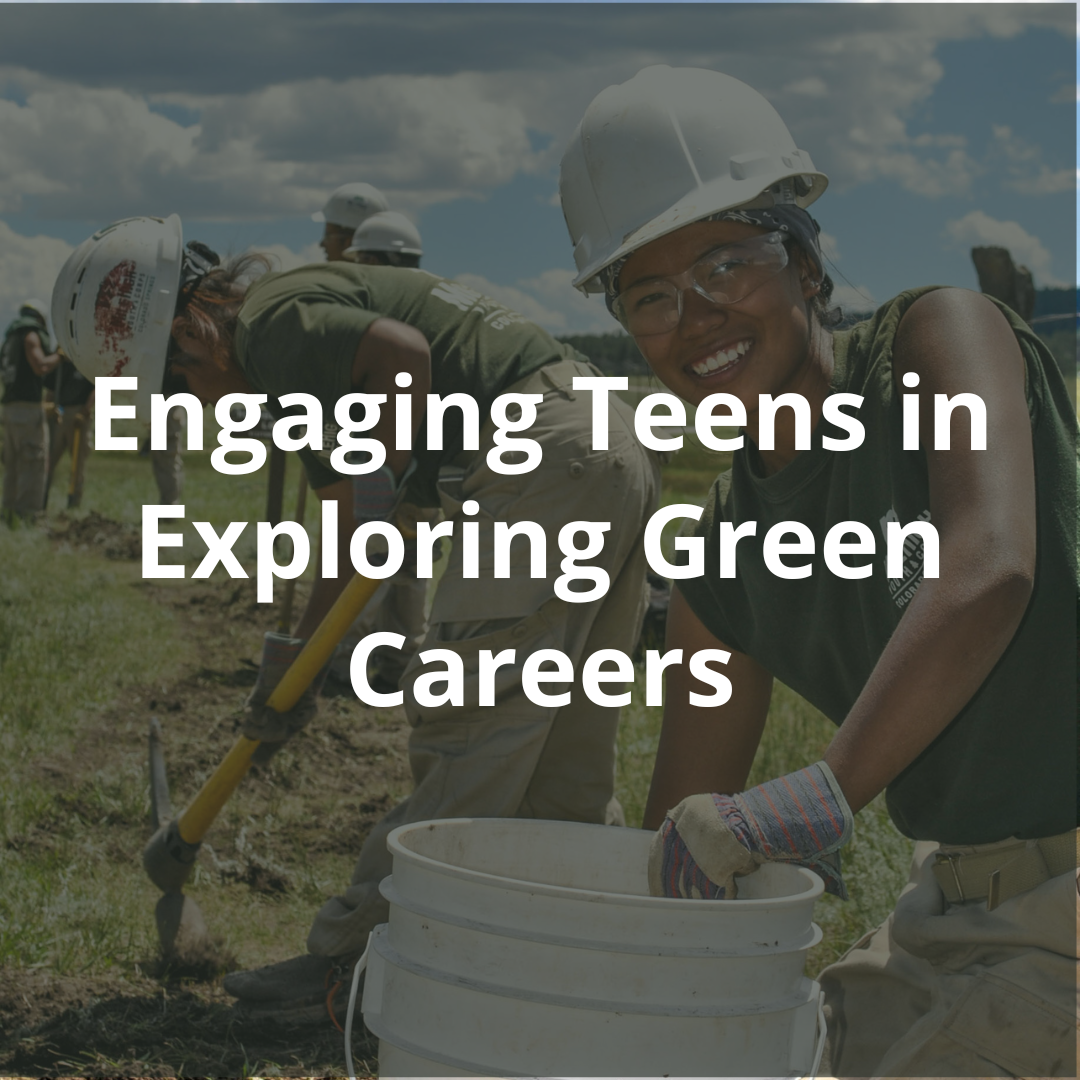
Through this course, participants will explore a variety of strategies, tools, and resources to integrate career exploration into programming and help teens on their path to an environmental career.

There are a variety of ways that controversy can show up in education. This course is designed to actively involve educators in understanding and building skills in how to investigate and evaluate environmental issues with their learners. The course models a variety of effective strategies educators can use to assist learners in exploring and seeking responsible courses of action toward the resolution of environmental issues. Participants will explore how to effectively teach about environmental issues, and will start to develop their own classroom and/or program plans and outlines about teaching environmental issues - with an emphasis on local issues.

This course provides educators with a foundational knowledge and theories on the important link between nature and human wellness. Throughout the course, participants will be introduced to the science of our interconnection with the natural world and receive an overview of the emerging field of studies indicating the important role nature plays in the healthy development of the whole child (physical, mental and behavioral) and their continued wellness into adulthood. Additionally, participants will learn to identify strategies of leveraging nature’s positive impact on wellness to drive positive changes in policy and practices in schools and community centers. 

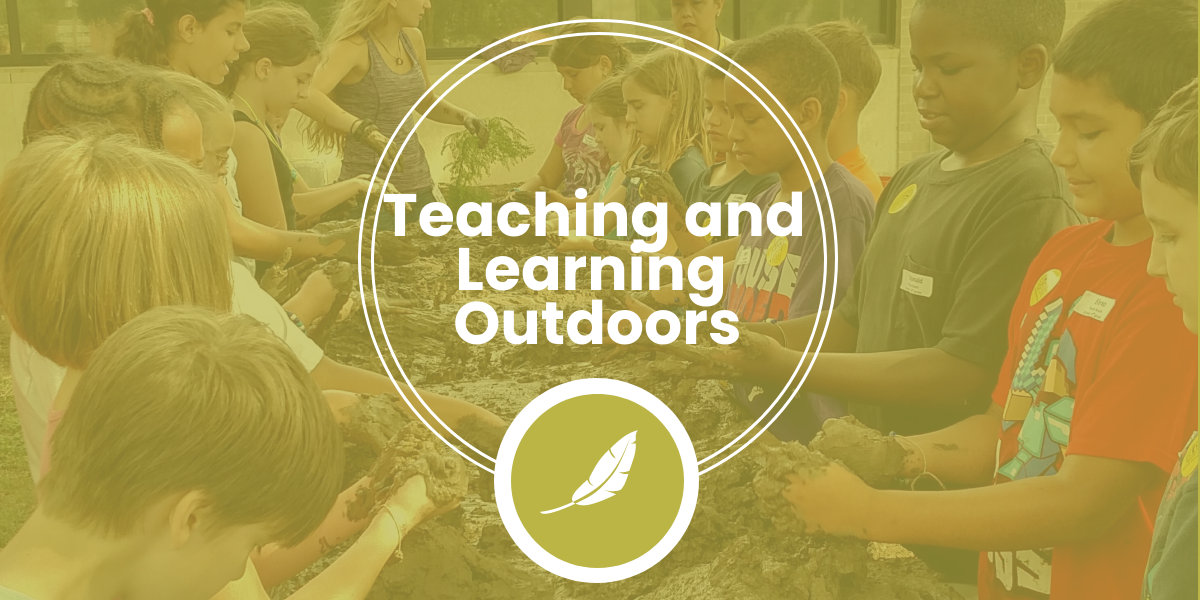
Welcome to Teaching Outdoors eeCourse.  This course is designed to equip educators with the knowledge, skills, tools and resources to take environmental education learning outdoors. 


This course is designed to provide a strong foundation in Traditional Ecological Knowledge and ways of knowing. It is meant to be an introductory course and spark interest in further learning around how we can more intentionally and respectfully incorporate traditional ways of knowing into our environmental and outdoor learning programming.


Go here for a list of available courses and links to download.

Welcome to the Teaching & Learning Outdoors eeCourse.  This course is designed to equip educators with the knowledge, skills, tools and resources to take learning outdoors. 

This course is designed to provide educators with the background knowledge and skills necessary to ground future professional learning experiences in the best practices of environmental education.

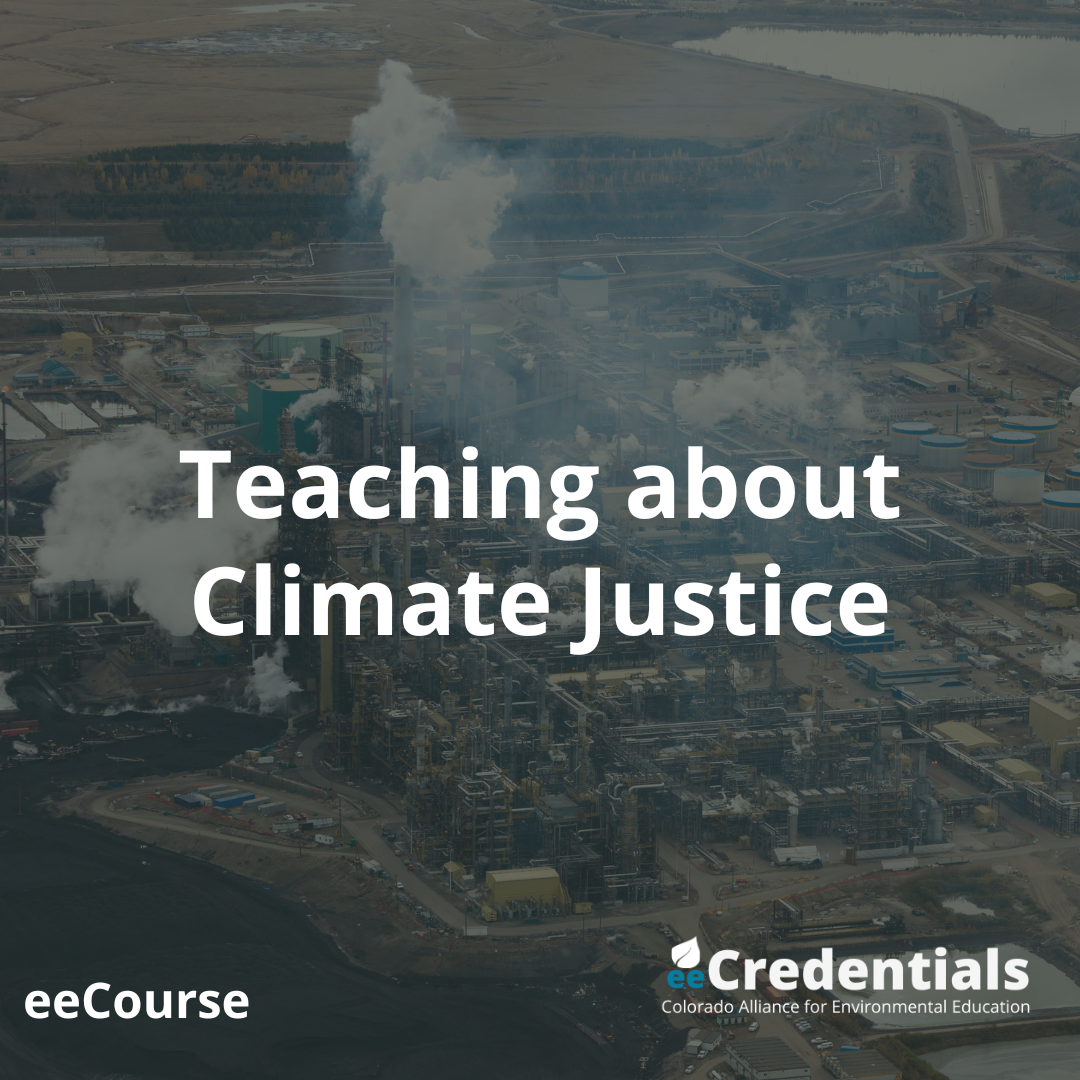
The Teaching about Climate Justice eeCourse is an asynchronous course designed to prepare educators to teach climate justice topics more confidently to students in grades 6-12.